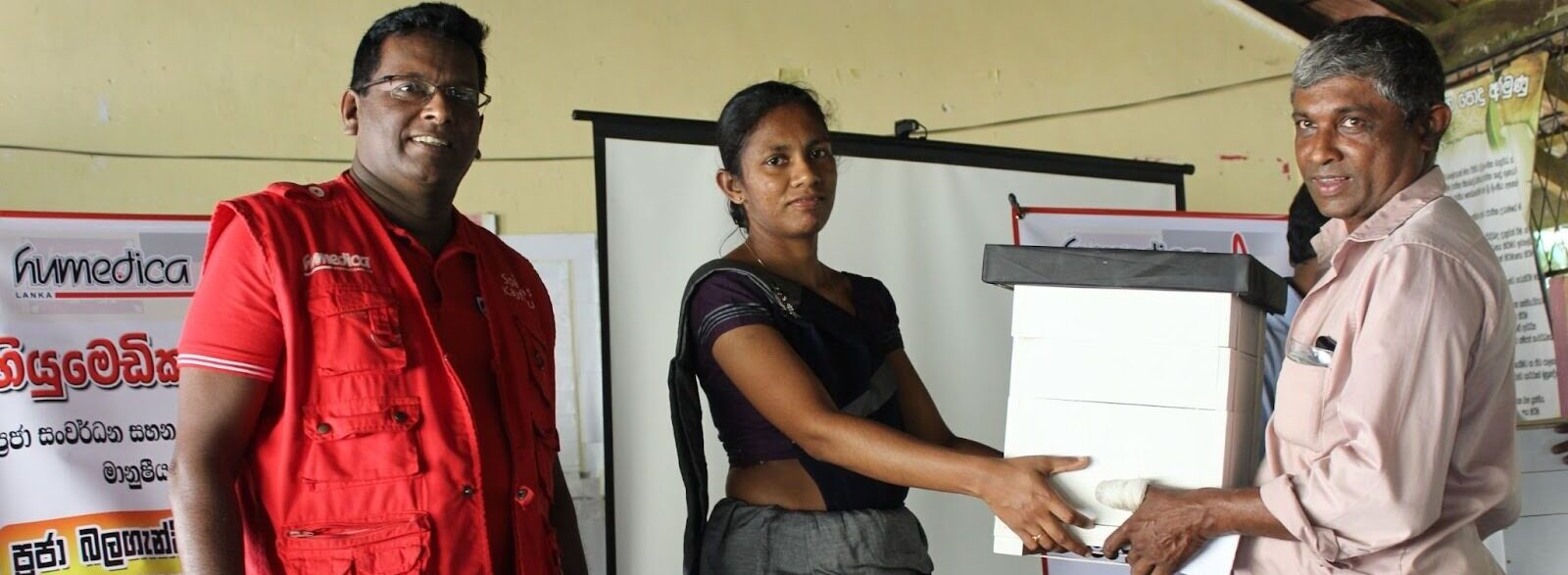
Building Knowledge, Confidence, and Resilience

Empowerment lies at the heart of Humedica International Lanka’s mission. Through education, skills development, and psychosocial support, HIL enables individuals and communities to move from dependency to dignity, unlocking their capacity to lead change from within. Community Empowerment stands alongside Disaster Risk Reduction and Health as one of HIL’s three core pillars, reflecting the organization’s belief that resilient communities are built by investing in people, especially women, youth, and children.

Life Skills, Safety, and Community Preparedness

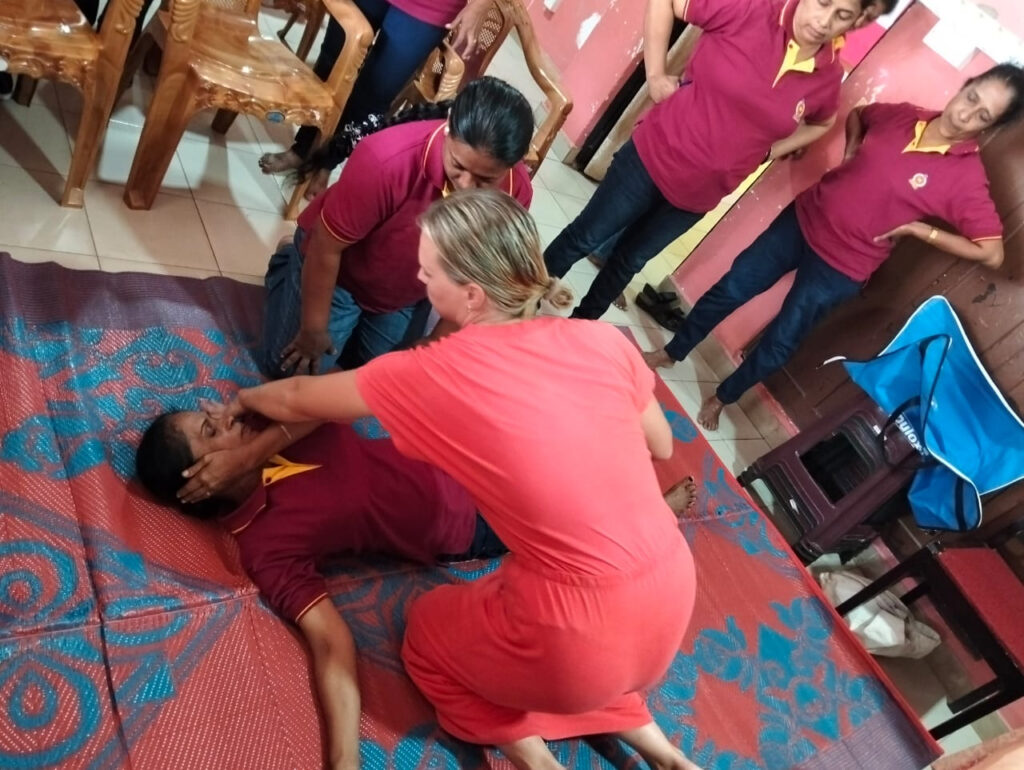
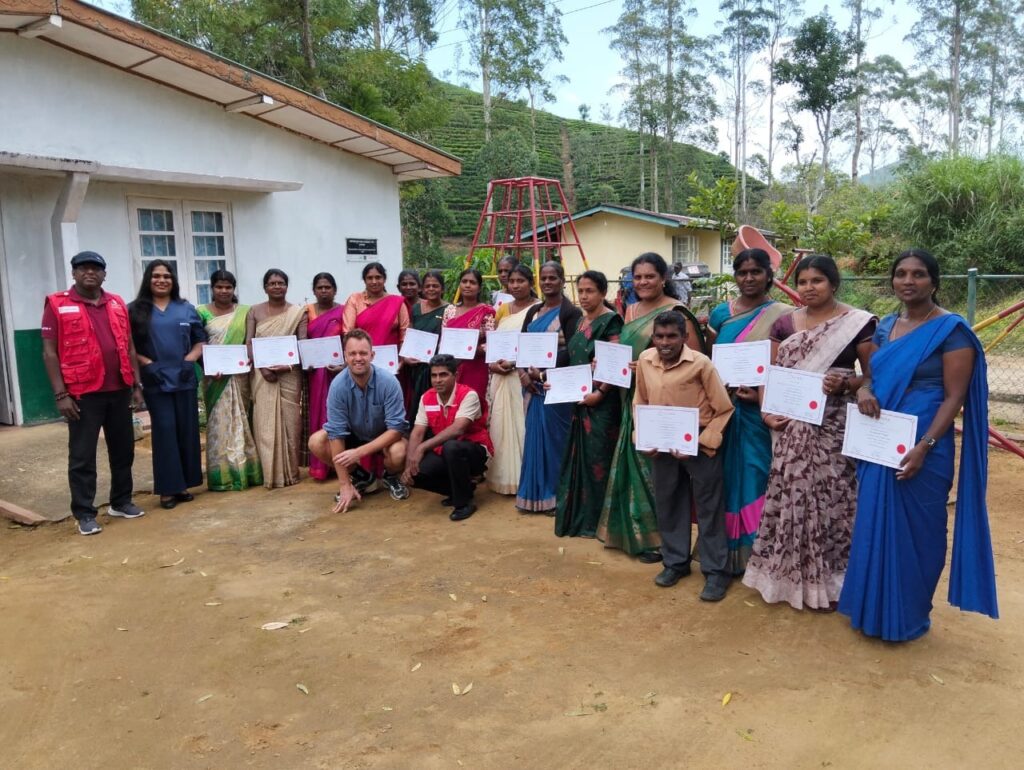
HIL strengthens resilience by equipping individuals with practical life skills that protect lives and improve everyday well-being. First responder and safety training form a central part of this effort, enabling community members to act calmly and effectively during emergencies while also reducing preventable risks.

The impact of this training is real and immediate. A staff member from HIL’s Jaffna office successfully administered CPR to a fellow passenger who collapsed during a long-distance bus journey, applying skills gained through HIL-led training. This life-saving response reflects how preparedness transforms ordinary individuals into first responders when professional help is not immediately available.

HIL’s training programs are further strengthened through international collaboration. EMT nurses from the Netherlands have conducted intensive sessions for HIL staff, community partners, and corporate employees, including teams from the Hayleys Group in Horana, Jaffna, and Colombo. These programs combine global best practices with local realities, ensuring training is both practical and contextually relevant.

Beyond emergency response, HIL delivers preventive education that supports long-term well-being. Community sessions on health and nutrition equip parents and caregivers with essential knowledge to protect their families. Awareness programs addressing substance abuse promote safer environments for children and youth, while environmental stewardship workshops support rural communities in adapting to climate challenges and protecting natural resources.
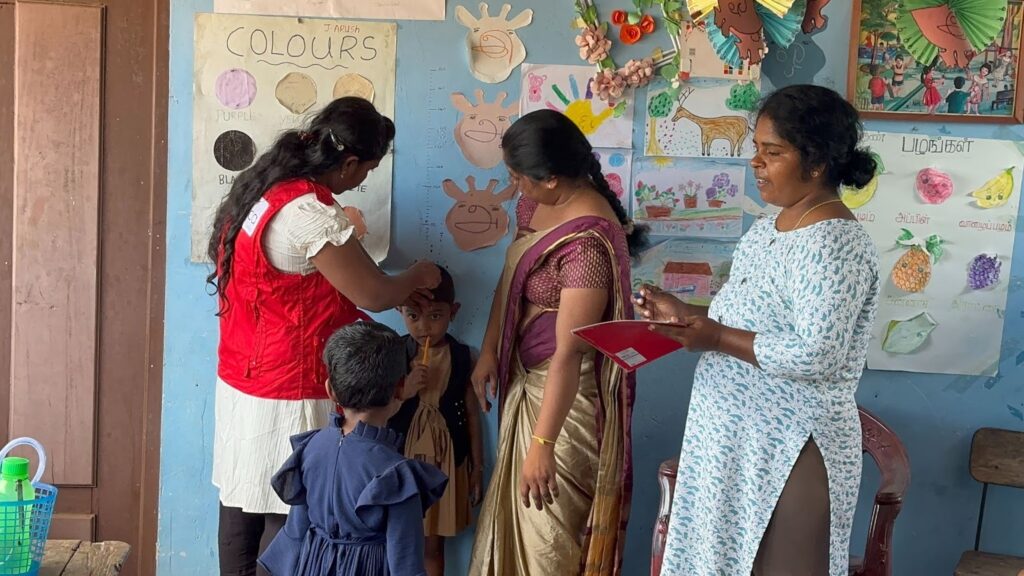
Psychosocial Support and Inclusive Empowerment

In Sri Lanka, empowerment also requires addressing mental health stigma, which continues to isolate individuals and families. HIL has emerged as a leader in psychosocial support through its innovative work in the Uva Province. In partnership with Samanala Piyasa and Suwadiwi Piyasa, HIL has transformed conventional mental health care into a model rooted in dignity, creativity, and participation.

Through the integration of art, music, vocational activities, and group dialogue, participants are supported to rebuild confidence, rediscover purpose, and re-engage with their communities. This approach recognizes that healing extends beyond clinical treatment and flourishes through connection, creativity, and shared experience. Local counselors describe the program as transformative, noting that individuals once hidden by stigma now see themselves as capable, valued, and included.

Empowered Communities and Sustainable Futures

Across Sri Lanka, HIL’s community empowerment initiatives have enabled children to learn, women to establish livelihoods, and individuals to develop the skills needed to respond to emergencies and lead healthier lives. Awareness of health, nutrition, and environmental responsibility has expanded, while inclusive psychosocial programs have contributed to reducing stigma and restoring dignity.

From classrooms and training halls to community centers and safe spaces for healing, Humedica International Lanka continues to invest in what drives lasting change: people. Through education, skills development, and empowerment, HIL is nurturing resilient, self-reliant communities where knowledge builds confidence, dignity is restored, and opportunity can take root.
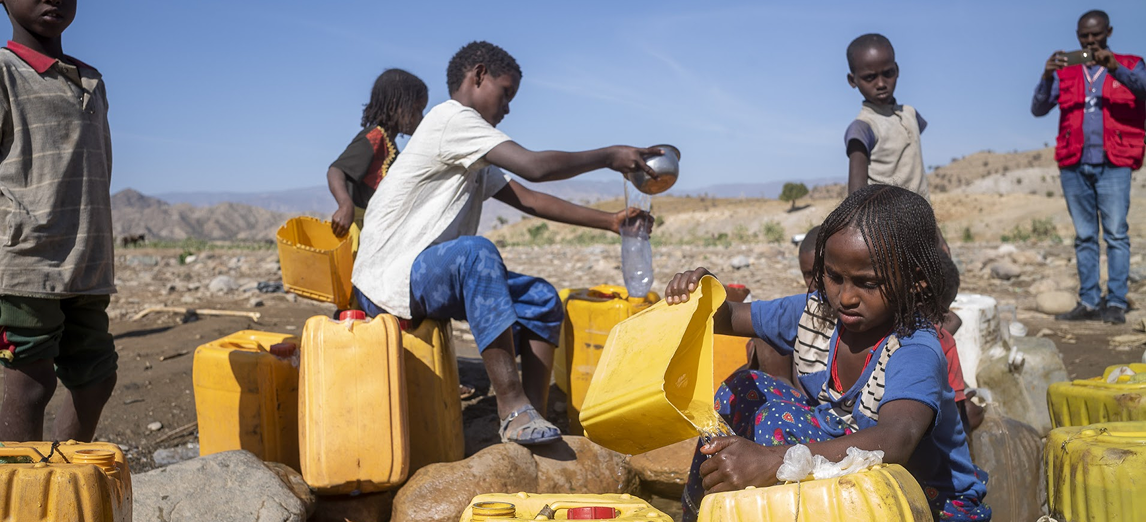
Overview

For more than 30 years, Humedica International Lanka (HIL) has placed Disaster Preparedness, Response, Recovery, and Mitigation at the core of its humanitarian work. HIL recognizes that disaster resilience cannot be built through emergency response alone. It requires a holistic and integrated approach that connects healthcare, education, skills development, climate adaptation, and community empowerment. Through its Integrated Programming Model, Hum-Dev, HIL works to strengthen local capacity so communities can prepare for crises, respond effectively, and recover with dignity.

HIL’s Vision 2030 commits to building safer and more resilient communities across Sri Lanka, where preparedness and local leadership reduce vulnerability and save lives.

Disaster Response and Relief Operations

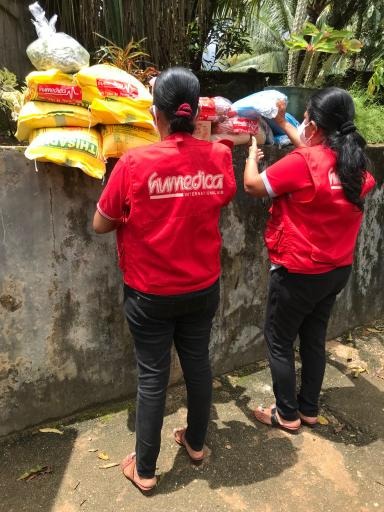
When severe flooding struck Sri Lanka’s Northern Province in 2024 following Cyclone Fengal, HIL responded rapidly to support displaced and vulnerable families. The organization provided temporary shelter materials, deployed a mobile health clinic that treated dozens of patients, distributed nutritional support to families with children and pregnant women, and supplied hygiene kits to protect health and dignity. This coordinated response reflects HIL’s commitment to reaching affected communities quickly and ensuring that essential needs are met during times of crisis.

Life-Saving Pre-Hospital Care and Recovery

In Sri Lanka’s northern islands, access to emergency healthcare remains a daily challenge. For years, the Humedica International Lanka ambulance boat operating between Delft Island and Jaffna Teaching Hospital served as a critical lifeline for emergency evacuation and pre-hospital care. 

Preparedness, Mitigation, and Training

Preparedness is a cornerstone of HIL’s DRR strategy. In January 2025, HIL strengthened institutional and community readiness through a disaster risk reduction training led by Mr. Sugath Dissanayake, former Director of Sri Lanka’s Disaster Management Centre. The session reinforced practical preparedness, risk awareness, and resilience planning.

HIL also invests heavily in first responder training to empower individuals to act during emergencies. EMT nurses from the Netherlands conducted intensive training programs across Colombo, Jaffna, and at the Hayleys Group plantation in Horana. The impact of this work is tangible. A staff member from HIL’s Jaffna office later saved the life of a bus passenger by performing CPR during a Colombo to Jaffna journey, crediting the training for the confidence and skills to respond.

Addressing Ongoing Vulnerabilities

HIL’s DRR work also addresses the deeper challenges that increase disaster risk. Remote areas such as Delft Island face shortages of trained emergency personnel due to migration and limited resources. At the same time, climate-related disasters such as floods are becoming more frequent and severe, placing rural families at greater risk. Tragic experiences, including families affected by past flood-related losses in Nuwara Eliya, highlight the urgent need for sustained, community-based preparedness and mitigation efforts.

Through prevention, preparedness, and people-centered response, HIL continues to strengthen resilience and protect lives across Sri Lanka.

Building Healthier, Resilient Communities

In communities where access to healthcare is limited and vulnerability is high, Humedica International Lanka (HIL) delivers care that restores health, dignity, and hope. Health and nutrition are central to HIL’s integrated approach to humanitarian and development work, strengthening resilience and improving quality of life for underserved populations. Through mobile health services, nutrition interventions, mental health support, and emergency care, HIL ensures that even the most remote and marginalized individuals can access compassionate, life-changing services. By 2030, HIL envisions healthier communities equipped with the knowledge and resources to thrive.

Mobile Health Clinic Services

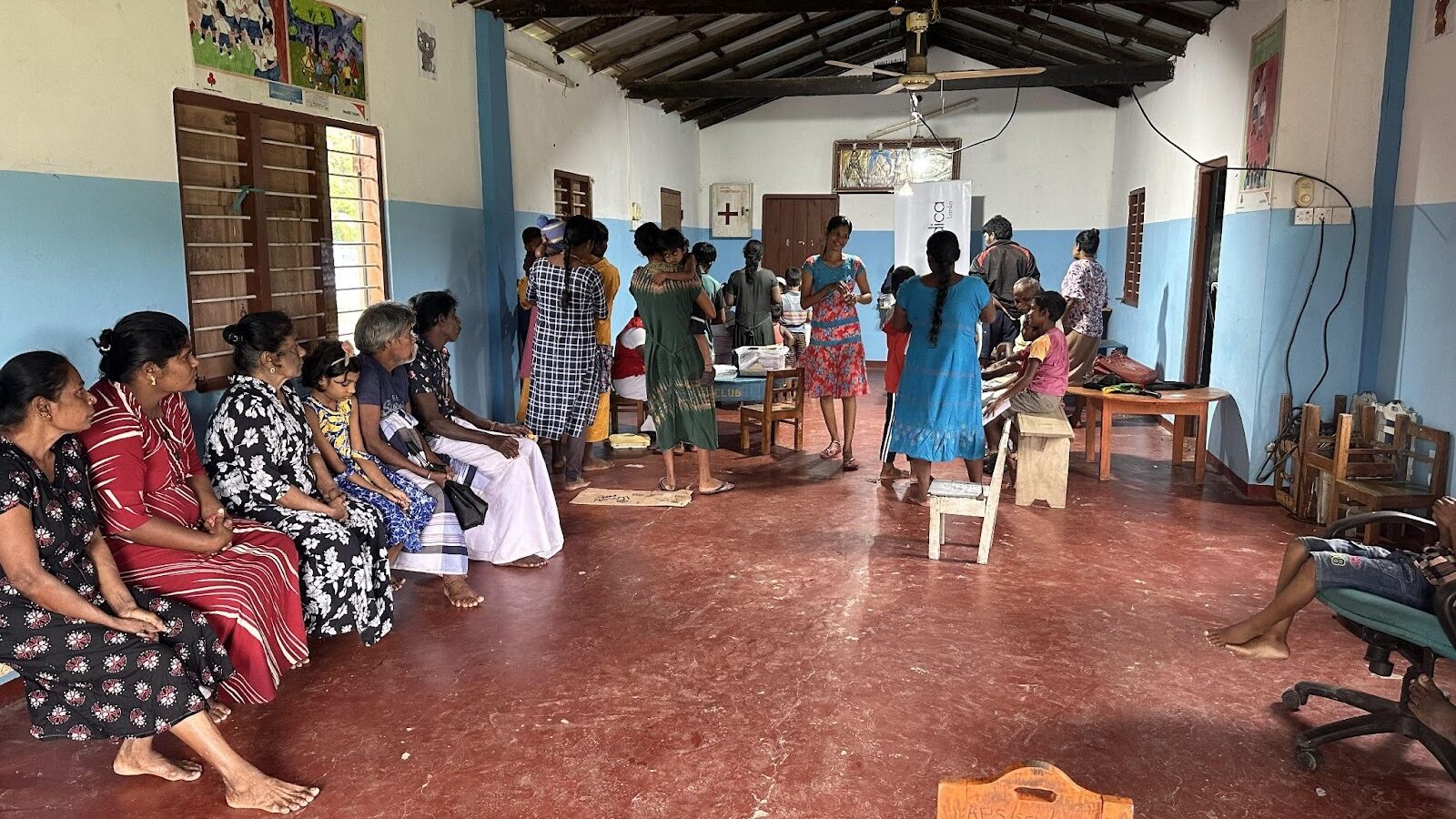
HIL’s Mobile Health Clinics bring essential medical care directly to communities that face barriers such as poverty, distance, and lack of awareness. Operating across Colombo and Jaffna Districts, these clinics serve elderly people, daily wage earners, and families living in informal settlements who often delay or forgo treatment altogether. By delivering care in trusted community spaces, HIL bridges the gap between health systems and those who need them most.

A major focus of the clinics is the prevention and early detection of non-communicable diseases, including diabetes, hypertension, and cardiovascular conditions, which continue to rise across Sri Lanka. In 2024 alone, more than 3,000 individuals were screened through mobile clinics, with over 300 cases identified and referred for continued medical care. Early intervention has helped prevent complications and reduced the long-term burden on families and public health services.

Strategic Partnerships for Community Health

Partnerships are central to HIL’s healthcare model. In Colombo, HIL works closely with Samata Sarana, a long-standing institution supporting the elderly and disadvantaged children. Through this collaboration, regular medical checkups, health education, and chronic disease management support are provided to residents and caregivers. This partnership reflects HIL’s commitment to preventive care that promotes independence, dignity, and well-being among vulnerable populations.

Mental Health and Psychosocial Support

Mental health remains one of Sri Lanka’s most neglected health challenges, particularly in rural areas where stigma and isolation persist. In response, HIL launched a Mental Health and Psychosocial Support initiative in Uva Province in partnership with Samanala Piyasa and Suwadiwi Piyasa. Rather than focusing solely on medication, the program adopts a holistic approach that integrates therapy, creative expression, and skill-building activities.

Participants engage in music, art, drama, gardening, and vocational training in safe and inclusive spaces designed to restore confidence and social connection. This approach has enabled individuals to re-engage with their families and communities while rebuilding a sense of purpose and self-worth. The program demonstrates that mental health care is most effective when it is compassionate, community-based, and empowering.

Nutrition and Health Awareness

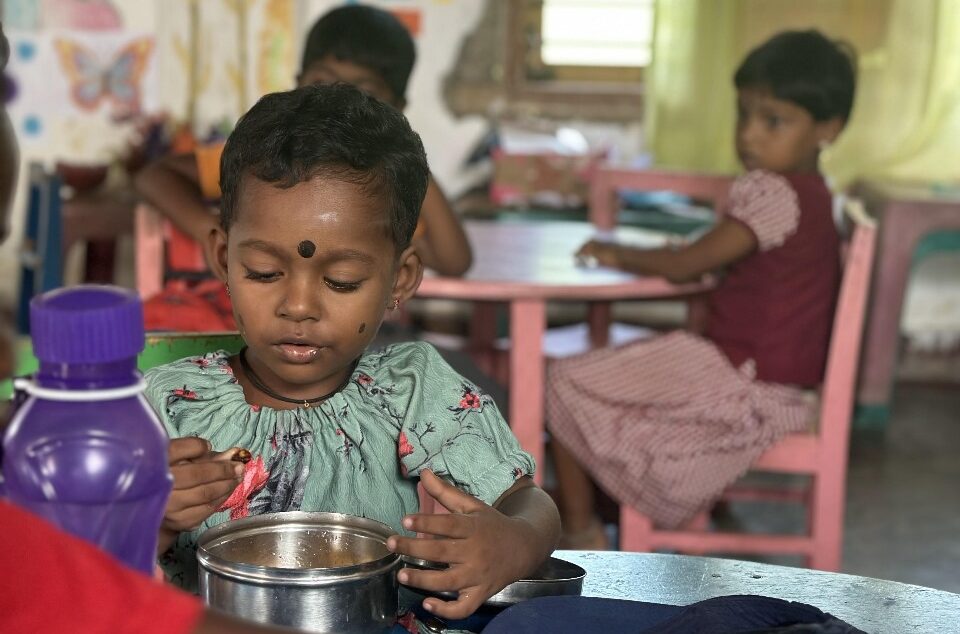
Nutrition is fundamental to long-term health and resilience. HIL supports vulnerable women and children through nutrition assistance and health education programs. During the 2024 Northern Province floods, nutritional support was provided to affected families, including children and pregnant women. Beyond emergency response, HIL conducts ongoing awareness sessions on balanced diets, child nutrition, and disease prevention, empowering caregivers to make informed health decisions.

HIL also continues to support families facing chronic illness and compounded hardship, standing alongside them through both crisis and recovery.

Restoring Health and Dignity

From urban settlements to remote islands, Humedica International Lanka delivers healthcare with humanity. Its work goes beyond treating illness. It restores dignity, strengthens resilience, and empowers communities to lead healthier and more secure lives. Through every clinic, every training, and every act of care, HIL transforms health into hope and vulnerability into strength.

At Humedica International Lanka (HIL), voluntourism is not about short-term visits or symbolic gestures. It is about purposeful engagement, where professional skills, compassion, and cultural exchange come together to strengthen local systems and serve vulnerable communities. Through its Volunteer-Led Initiatives, HIL ensures that international support translates into practical, lasting impact rooted in local needs.

In recent years, skilled volunteers from Europe have played a quiet but vital role in strengthening HIL’s health, disaster preparedness, and operational capacity. Their contributions show how meaningful change happens when expertise is shared with humility and purpose.

Jeremy and Lotto arrived in Sri Lanka from Germany with a simple intention: to contribute where they could. Jeremy, a trained carpenter, quickly identified practical needs within HIL’s facilities. Over the course of his stay, he refurbished pantry cupboards and improved workspace functionality, leaving behind safer, more efficient facilities that continue to support daily operations. Lotto, an experienced nurse, worked alongside HIL staff on administrative and data-entry tasks, helping strengthen systems that underpin service delivery. In addition to their time and skills, the couple also made a financial contribution toward ongoing programs. For HIL, their visit was not just support in the moment, but an investment in sustainability.

A similar spirit of service brought Ard and Karin to Sri Lanka from the Netherlands. Both are EMT nurses working with the Dutch government, and they chose to dedicate nearly two weeks of their time to strengthening emergency preparedness in Sri Lanka. Traveling with their children, Marie and Annie, the family demonstrated that service and learning can go hand in hand. During their stay, Ard and Karin led intensive First Responder Training sessions for staff at the Hayleys Group plantation in Horana, as well as for community stakeholders in Colombo and Jaffna. Their training equipped participants with practical life-saving skills, from CPR to accident response, tailored to Sri Lanka’s local realities. These sessions directly contributed to HIL’s broader Disaster Risk Reduction efforts, ensuring that communities are better prepared when emergencies strike.

The impact of such voluntourism extends far beyond individual tasks or training sessions. Facilities function better, staff capacity is strengthened, and communities gain skills that save lives. At the same time, volunteers leave with a deeper understanding of Sri Lanka’s resilience, hospitality, and challenges, carrying those lessons back into their own lives and professions.

For Humedica International Lanka, voluntourism is a partnership built on mutual respect. It reflects the belief that sustainable development is strongest when knowledge is shared, systems are strengthened, and human connection remains at the center of humanitarian work.

By supporting or joining HIL’s Volunteer-Led Initiatives, individuals become part of a mission that values dignity, collaboration, and long-term impact. Skills may travel across borders, but the change they create stays rooted in the communities that need it most.