
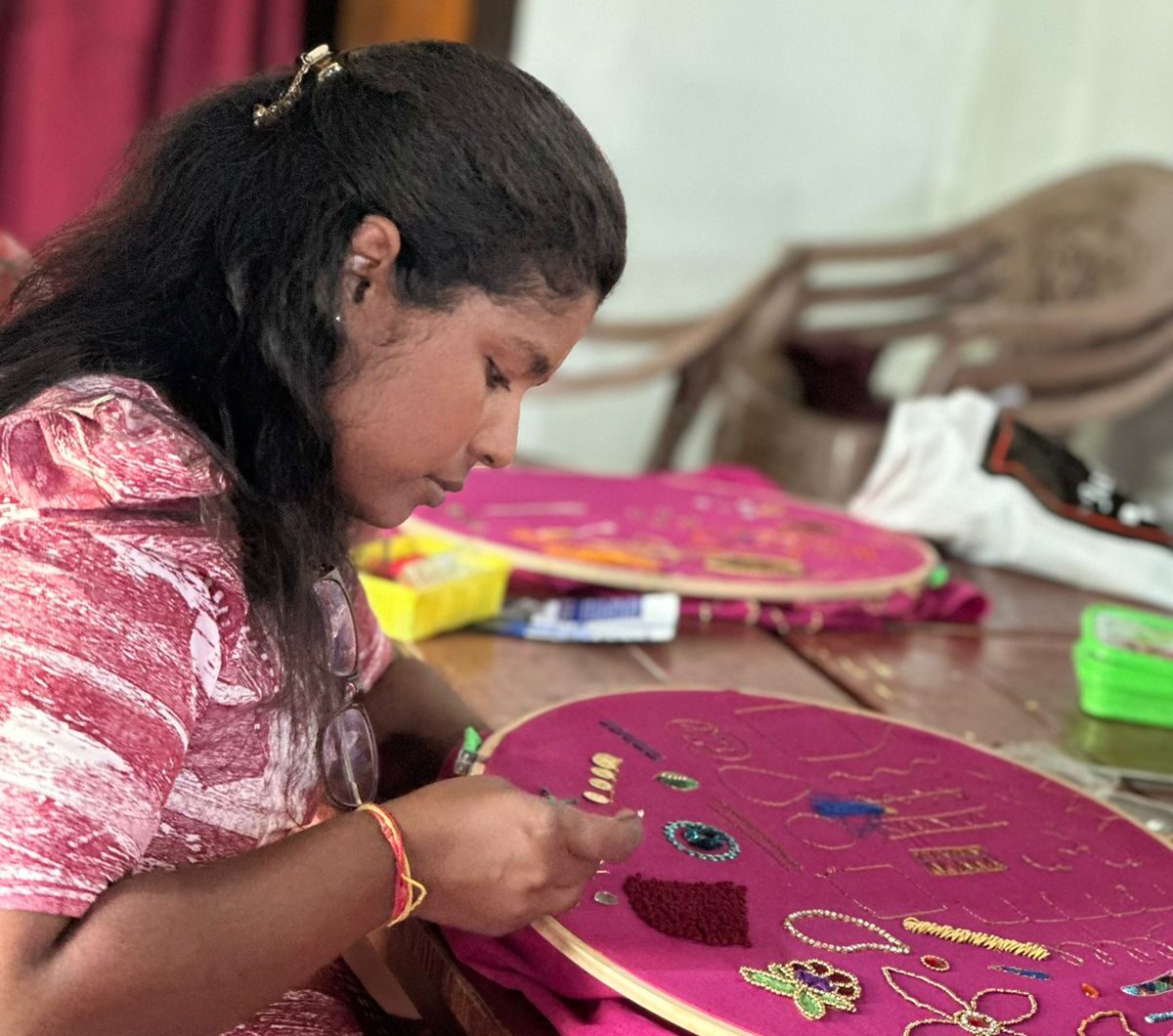
In the hills of Yatiyanthota, Kumari, a mother of two, spent most of her days inside a small rural home. Her husband’s irregular daily-wage work barely covered the family’s basic needs, and while she owned a simple sewing machine, it sat mostly unused, a symbol of potential she didn’t know how to unlock. Like many women in rural Sri Lanka, Kumari longed for financial independence but faced limited skills, low confidence, and no clear path to earning an income.

That began to change when she learned about Humedica International Lanka’s “Stitching Futures” program, part of the organization’s broader Community Empowerment work. The initiative recognizes a vital truth: Sri Lanka’s apparel industry is a backbone of the national economy, and rural women can participate if given the right skills, guidance, and support.

The program offered Kumari structured, market-oriented training that went beyond basic stitching. She learned how to produce garments to professional standards, follow current fashion trends, and master specialized techniques such as Aari work, an intricate form of needlecraft highly valued in the industry. Slowly, Kumari’s relationship with her sewing machine transformed—it became a tool of independence rather than a reminder of limitation.

With each completed piece, her confidence grew. Each encouragement from trainers strengthened her resilience. Kumari began to see herself not merely as a caregiver at home but as a budding entrepreneur capable of generating income and making decisions for her family’s future. “I didn’t just learn to sew clothes—I learned to build a future,” she shares. “Now I run a small home-based business, and my children see me as someone who can make a difference.”

The impact of “Stitching Futures” extended beyond individual households. The Government Agent of Yatiyanthota recognized the women’s skill and dedication, facilitating connections with local apparel companies. This led to a commercial order for 300 blouses, validating the women as contributors to the local economy and demonstrating that rural women, when empowered, can meet real market demands.

For Kumari and her peers, the program represents more than income. It has provided dignity, independence, and a renewed sense of purpose. Women who once stayed indoors now contribute to household finances, make confident decisions, and serve as role models for their children and communities.

Through small but meaningful interventions like “Stitching Futures,” Humedica International Lanka is helping women like Kumari transform their lives. 

With skills, opportunity, and support, what begins as a single stitch can grow into a livelihood, a stronger community, and a future woven with empowerment, resilience, and hope.
On a busy road in Sri Lanka’s hill country, Nalini, a schoolteacher and mother of two, witnessed an accident that could have ended in tragedy. A three-wheeler carrying a family skidded and overturned. Within moments, bystanders gathered, but panic and uncertainty could have made the situation worse.

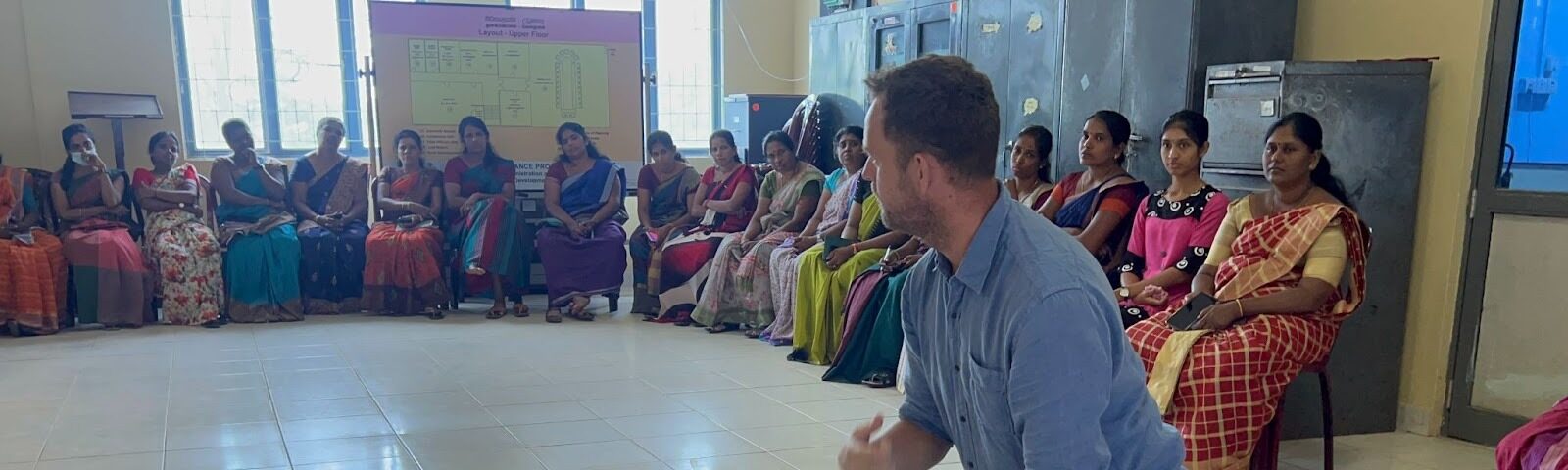
Thanks to Humedica International Lanka’s First Responder Training (FRT), Nalini knew exactly what to do.

Nalini had learned in her FRT sessions that the first few minutes after an accident are critical. She calmly assessed the scene, ensured no further vehicles approached, and guided bystanders to maintain a safe space around the injured family.

Instead of moving the victims recklessly, she checked breathing, controlled visible bleeding, and reassured the injured:

“You are not alone. Help is coming. We’ll stay with you.”

Using her training, Nalini and a few volunteers stabilized a person with a suspected leg injury, applied pressure to a bleeding wound, and maintained an open airway for an unconscious man. By the time the ambulance arrived, the injured were already receiving structured, life-saving care. For the family, Nalini’s presence turned potential chaos into calm and effective action.

Training the First Line of Care

In 2025, HIL expanded the First Responder Training program, equipping over 250 individuals across key regions including Badulla, Bandarawela, Hali-Ela, Maskeliya, Seethawaka, Rathmalana, and Colombo. Participants represented the full spectrum of Sri Lankan communities:

  • Estate field officers, often the first on scene in plantation injuries.
  • Teachers, like Nalini, who can protect children during school accidents.
  • Police personnel, responding daily to road accidents and public emergencies.
  • Youth and children, learning life-saving skills through community awareness programs.

The program is strengthened by international expertise. Ard and Karin, EMT nurses from the Netherlands, contributed nearly two weeks of hands-on training for local staff, including corporate partners like the Hayleys Group, and adapted global best practices to Sri Lanka’s context.

FRT sessions go beyond technical skills, combining:

  • Hands-on simulations of real emergencies.
  • Step-by-step guidance on immediate actions and common mistakes to avoid.
  • Emotional readiness, teaching participants to remain calm and focused under pressure.

Graduates leave with more than knowledge—they leave with the mindset of a first responder:

“Before this training, I would have panicked. Now I know how to protect the injured and call for help the right way.”

Today, Nalini and hundreds of other trained volunteers stand ready to bridge the critical minutes before professional medical care arrives, saving lives across their communities.

Support Humedica International Lanka’s First Responder Training to empower more community members like Nalini. Your contribution ensures that when accidents strike, help is immediate, effective, and life-saving.

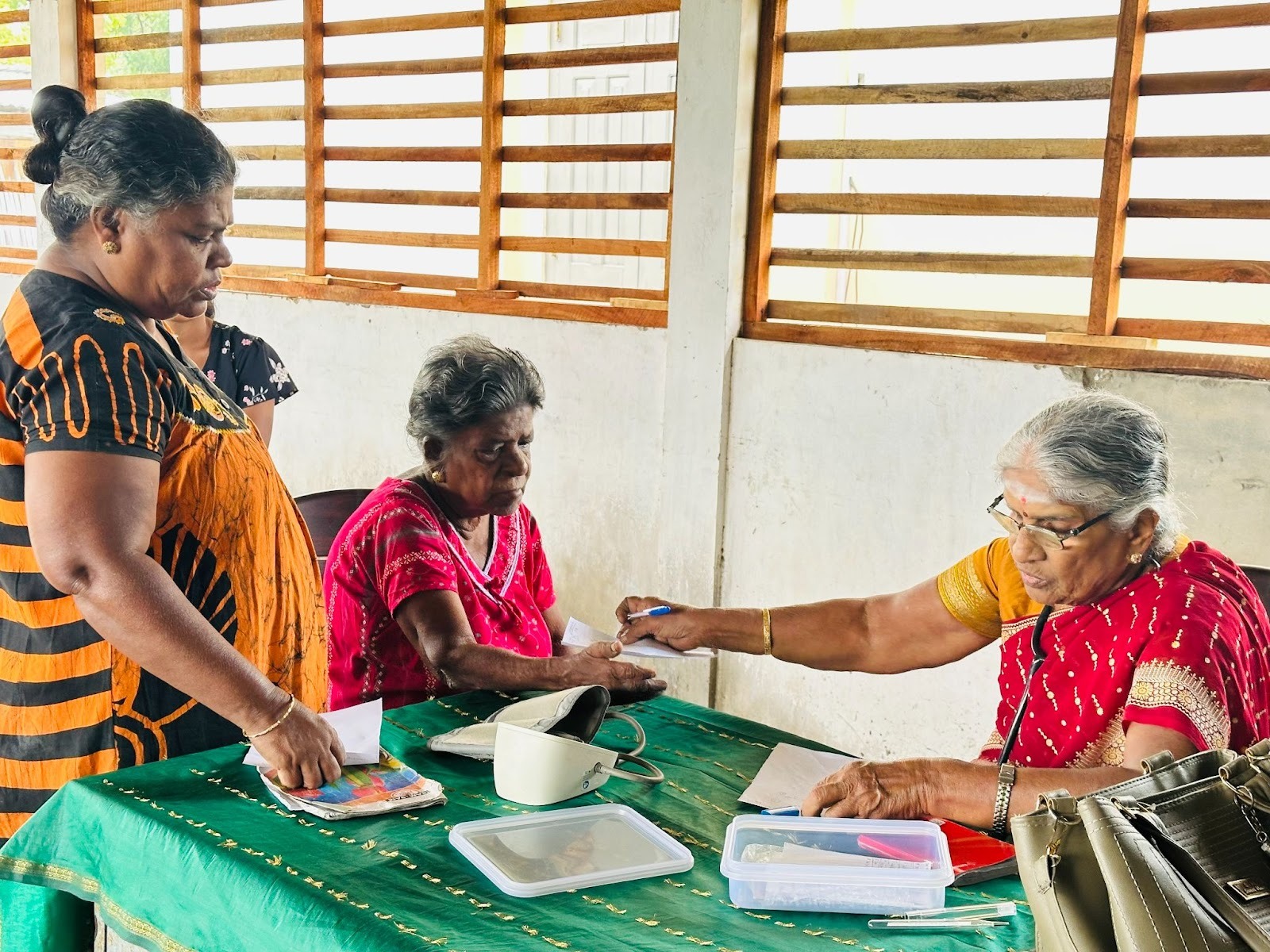
Before 2024, Humedica International Lanka’s (HIL) “Healing Beyond Hospitals” palliative care team provided home-based support to 135 patients across Jaffna. By 2024, this number had grown to 235, reaching families in some of the most remote communities. Every patient is registered under the professional care of the Consultant Physician at Tellippalai Base Hospital, ensuring that all home visits are guided by expert medical oversight.

At just 33, Thayani’s life changed dramatically when paralysis in her lower limbs left her unable to walk. Once independent, she became fully reliant on her family for everyday tasks.

After the death of their parents, care responsibilities fell to her younger sister, still a student with her own dreams, while her younger brother, a carpenter, became the family’s sole breadwinner. Despite their love and determination, they could not meet the financial and medical demands of Thayani’s care.

This is where HIL’s Palliative Care program makes a critical difference. For families like Thayani’s, the program is about more than medicine—it’s about dignity, relief, and reassurance that they are not alone.

Through “Healing Beyond Hospitals”, HIL provides:

  • Professional nursing officers and drivers – ensuring patients receive skilled medical care at home, even when travel is impossible.
  • Transport support (van and fuel) – removing the financial and logistical barriers that often prevent home-based care.
  • Nutrition packs valued at LKR 25,000 – assisting the poorest families in meeting basic dietary needs while managing chronic illness.

These visits deliver more than clinical care. They bring listening ears, guidance, and encouragement, offering practical solutions to families who have carried the burden alone for too long.

By supporting Humedica International Lanka, you help sustain this lifeline of home-based palliative care, ensuring that vulnerable patients receive expert, compassionate support without leaving their communities.

Donate today to help families like Thayani’s live with dignity, comfort, and hope.