Overview
For more than 30 years, Humedica International Lanka (HIL) has placed Disaster Preparedness, Response, Recovery, and Mitigation at the core of its humanitarian work. HIL recognizes that disaster resilience cannot be built through emergency response alone. It requires a holistic and integrated approach that connects healthcare, education, skills development, climate adaptation, and community empowerment. Through its Integrated Programming Model, Hum-Dev, HIL works to strengthen local capacity so communities can prepare for crises, respond effectively, and recover with dignity.
HIL’s Vision 2030 commits to building safer and more resilient communities across Sri Lanka, where preparedness and local leadership reduce vulnerability and save lives.
Disaster Response and Relief Operations
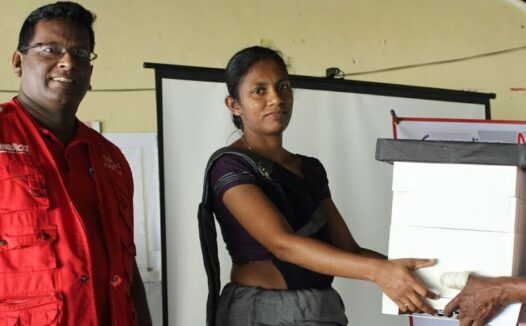
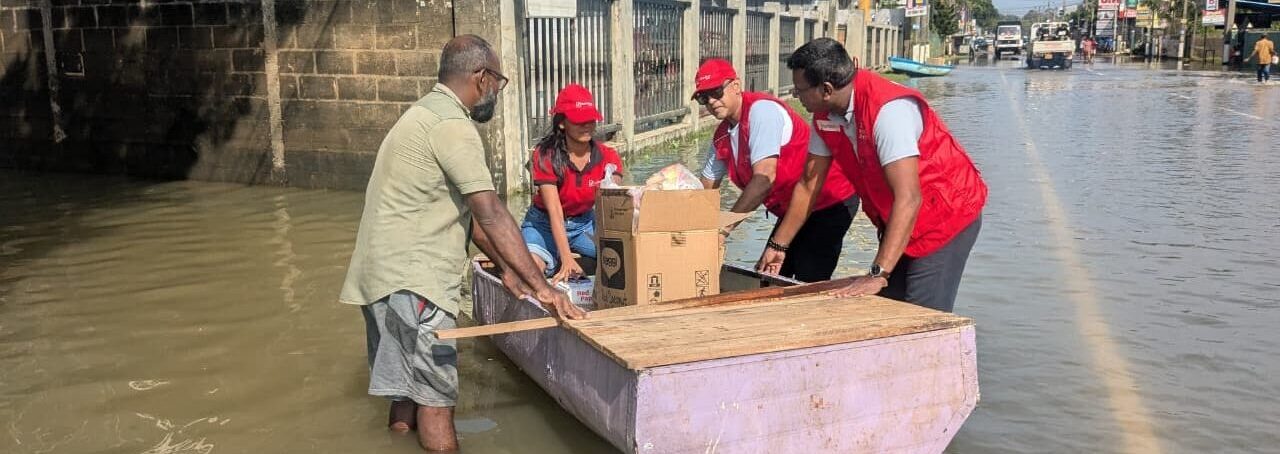
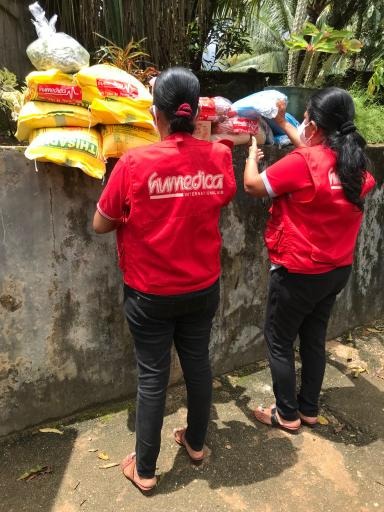
When severe flooding struck Sri Lanka’s Northern Province in 2024 following Cyclone Fengal, HIL responded rapidly to support displaced and vulnerable families. The organization provided temporary shelter materials, deployed a mobile health clinic that treated dozens of patients, distributed nutritional support to families with children and pregnant women, and supplied hygiene kits to protect health and dignity. This coordinated response reflects HIL’s commitment to reaching affected communities quickly and ensuring that essential needs are met during times of crisis.
Life-Saving Pre-Hospital Care and Recovery
In Sri Lanka’s northern islands, access to emergency healthcare remains a daily challenge. For years, the Humedica International Lanka ambulance boat operating between Delft Island and Jaffna Teaching Hospital served as a critical lifeline for emergency evacuation and pre-hospital care.
Preparedness, Mitigation, and Training
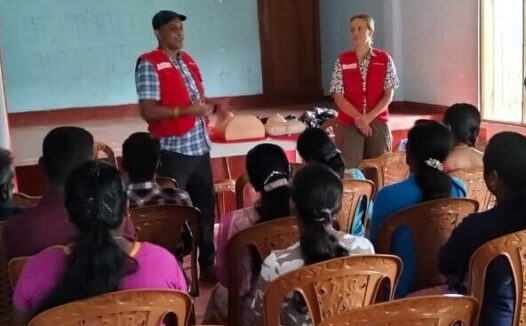
Preparedness is a cornerstone of HIL’s DRR strategy. In January 2025, HIL strengthened institutional and community readiness through a disaster risk reduction training led by Mr. Sugath Dissanayake, former Director of Sri Lanka’s Disaster Management Centre. The session reinforced practical preparedness, risk awareness, and resilience planning.
HIL also invests heavily in first responder training to empower individuals to act during emergencies. EMT nurses from the Netherlands conducted intensive training programs across Colombo, Jaffna, and at the Hayleys Group plantation in Horana. The impact of this work is tangible. A staff member from HIL’s Jaffna office later saved the life of a bus passenger by performing CPR during a Colombo to Jaffna journey, crediting the training for the confidence and skills to respond.
Addressing Ongoing Vulnerabilities
HIL’s DRR work also addresses the deeper challenges that increase disaster risk. Remote areas such as Delft Island face shortages of trained emergency personnel due to migration and limited resources. At the same time, climate-related disasters such as floods are becoming more frequent and severe, placing rural families at greater risk. Tragic experiences, including families affected by past flood-related losses in Nuwara Eliya, highlight the urgent need for sustained, community-based preparedness and mitigation efforts.
Through prevention, preparedness, and people-centered response, HIL continues to strengthen resilience and protect lives across Sri Lanka.